
Summary: A resilient PPE strategy for nitrile gloves is essential to maintaining uninterrupted clinical operations and protecting your healthcare system from supply disruptions. In today’s complex procurement environment, relying on overseas suppliers can introduce vulnerabilities that jeopardize patient safety and operational continuity. Your role demands a supply chain that not only meets regulatory standards but also supports sustainability goals and cost efficiency. Building a resilient PPE strategy centered on nitrile gloves highlights how domestic manufacturing and vertical integration provide strategic advantages you can rely on.
Why You Need a Resilient PPE Strategy for Nitrile Gloves
Healthcare procurement directors face ongoing challenges in securing nitrile gloves that meet FDA 501(k) and ASTM standards while managing budget pressures and regulatory compliance. Supply chain disruptions, especially those experienced during the pandemic, exposed weaknesses in import-dependent sourcing strategies. You need a PPE strategy that mitigates risks associated with international shipping delays, customs complications, and geopolitical uncertainties. A resilient PPE strategy for nitrile gloves ensures your clinical teams receive consistent, high-quality gloves when demand spikes unpredictably, such as during emergencies or high-volume surgical procedures.
How Domestic Manufacturing Strengthens Your PPE Strategy
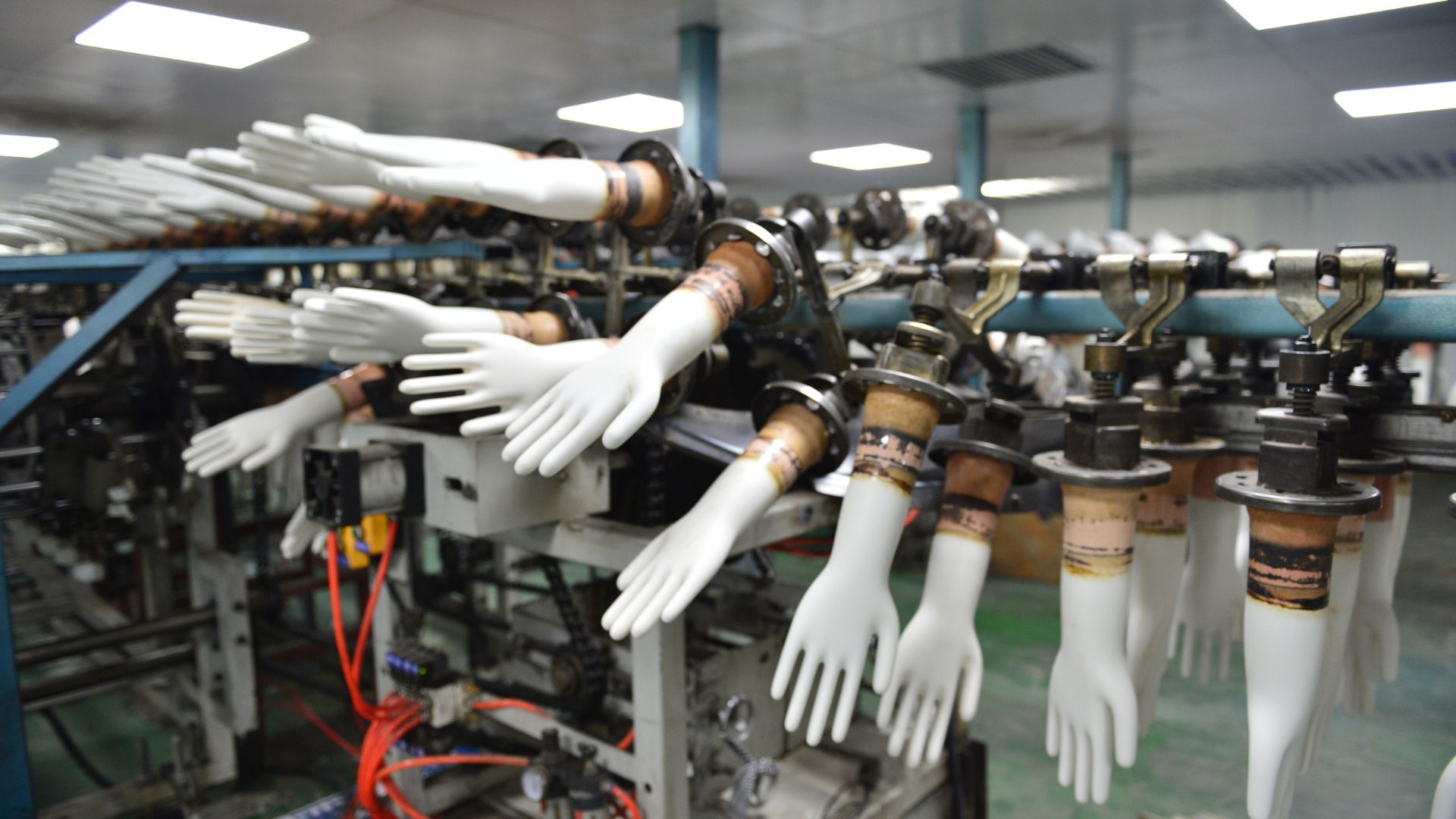
When you prioritize domestic nitrile glove manufacturing, you gain supply chain resilience that trumps overseas sourcing. Vertical integration means every step, from raw materials to finished gloves, is controlled within the United States, eliminating third-party dependencies that previously caused critical shortages and delivery delays.
At Health and Hospitality Supply, we have access to 7 million square feet of manufacturing space, producing 2.5 billion nitrile gloves annually. Your healthcare system benefits from manufacturing capacity at scale that can meet both routine and surge demands.
Manufacturing scale translates into consistent product availability and greater confidence in compliance. FDA 501(k) approval and ASTM compliance are not just certifications; they are assurances that your nitrile gloves meet rigorous safety and performance standards. You avoid the risks of counterfeit or substandard products entering your supply chain, protecting your clinical teams and patients alike. Moreover, domestic production supports faster lead times and greater transparency, enabling you to plan procurement with greater certainty.
Read Also: Ethical Nitrile Glove Sourcing: What Procurement Teams Should Know
Addressing Your Procurement Challenges with Strategic Solutions
You face pressure to reduce costs while maintaining the highest safety standards. Balancing GPO contract requirements with actual supply reliability can be complex, especially when import-dependent suppliers fail to deliver. A resilient PPE strategy for nitrile gloves requires evaluating the total cost of ownership rather than focusing solely on unit price. Domestic manufacturing offers competitive pricing with volume discounts, but its true value lies in risk mitigation and supply assurance.
Multi-facility coordination is another challenge you navigate. Standardizing nitrile glove products across your hospital system simplifies inventory management and clinical training. It also strengthens your value analysis committee’s justification for supplier selection by providing consistent quality and documented compliance. At Health and Hospitality Supply, our dedicated account management team supports you with procurement strategy consultation and emergency prioritization, ensuring your needs are met promptly.
Sustainability: A Core Component of Your Resilient PPE Strategy for Nitrile Gloves
Sustainability is no longer an optional consideration. It is a strategic imperative. You are tasked with meeting board-level ESG commitments while managing waste reduction and carbon footprint reporting. Domestic nitrile glove manufacturing leads in operational excellence with 100% water recycling through closed-loop systems and onboard power generation, reducing environmental impact without compromising supply security.
By choosing a domestic partner, you align your procurement strategy with measurable sustainability outcomes rather than marketing claims. Sustainable practices support your organization’s reputation as an ESG compliance partner and strengthen your position in value analysis discussions. It also demonstrates to leadership that your PPE strategy advances both clinical and environmental goals.
You May Also Like: Domestic Nitrile Glove Sourcing Impact on Sustainability Goals for Large Health Systems

Practical Steps to Build Your Resilient PPE Strategy
To build a resilient PPE strategy for nitrile gloves, you’ll need to:
- Assess your current supply chain vulnerabilities.
- Identify risks related to overseas dependencies, lead times, and product quality.
- Engage with a domestic manufacturing partner that offers vertical integration and manufacturing capacity at scale.
- Request comprehensive compliance documentation, including FDA 501(k) clearance and ASTM test results, to support your value analysis committee.
- Standardize nitrile glove products across your facilities to streamline procurement and clinical use.
- Incorporate sustainability metrics into your procurement criteria to meet ESG goals.
- Establish a partnership with a supplier that provides dedicated account management and emergency prioritization to respond swiftly during demand surges.
Strengthen Your Supply Chain with a Resilient PPE Strategy for Nitrile Gloves
Your healthcare system’s ability to maintain uninterrupted access to compliant nitrile gloves depends on a resilient PPE strategy grounded in domestic manufacturing and supply chain resilience. By partnering with a supplier that offers vertical integration, manufacturing capacity at scale, and sustainability leadership, you mitigate risks and demonstrate strategic value to your organization.
Get in touch with Health and Hospitality Supply today to discuss how our expertise and production capabilities can support your resilient PPE strategy for nitrile gloves. Together, we can ensure your clinical teams have the reliable supply they need to deliver exceptional patient care.