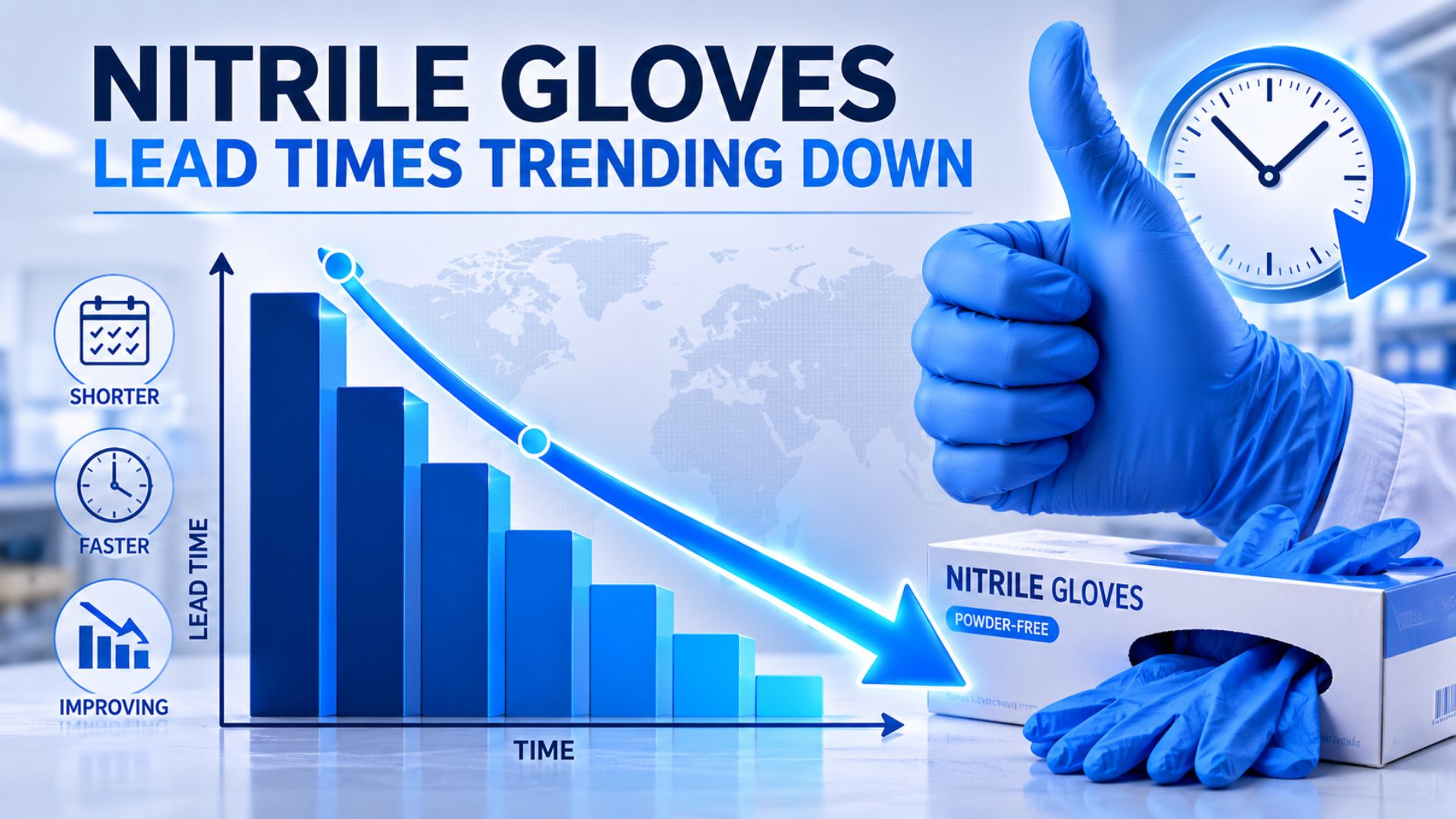
Summary: Nitrile glove lead times are a major factor in healthcare procurement strategies, directly influencing supply assurance and the readiness of clinical teams. Domestic manufacturing with vertical integration offers shorter, more predictable lead times compared to overseas suppliers. Understanding these lead times enables procurement teams to manage demand fluctuations effectively while maintaining confidence in compliance. Partnering with a reliable domestic supplier like Health and Hospitality Supply ensures operational excellence and supports your sustainability goals.
Why Nitrile Glove Lead Times Matter to Your Procurement Strategy
When clinical teams rely on consistent nitrile glove performance, any delay in supply can jeopardize patient safety and operational efficiency. Supply assurance must adapt to unpredictable demand spikes, especially in high-pressure environments such as emergency departments and surgical centers. Lead times, however, can vary widely depending on factors such as manufacturing location, supply chain complexity, and order volume.
Domestic manufacturing provides a strategic advantage by significantly reducing lead times compared to overseas suppliers. With vertical integration and manufacturing capacity at scale, procurement teams gain greater control over production schedules and delivery reliability. Control translates into shorter, more predictable nitrile glove lead times, which are essential for effective risk mitigation and uninterrupted clinical operations.
Read Also: Total Cost of Ownership for Nitrile Gloves in Healthcare Systems
Factors Influencing Nitrile Glove Lead Times
Several key factors influence how long it takes to receive nitrile gloves after placing an order. Manufacturing location plays a pivotal role; domestically produced gloves typically have shorter lead times than those sourced internationally, primarily due to shorter shipping times and an avoidance of customs delays. Production capacity is another factor. Suppliers with large-scale manufacturing facilities can better accommodate surge demand, minimizing wait times and ensuring supply continuity.
Supply chain integration also impacts lead times. Vertical integration eliminates third-party dependencies, streamlining the entire process from raw materials to finished gloves. Integration also reduces potential bottlenecks and enhances responsiveness to demand fluctuations.
Additionally, order volume and customization requirements can affect production time. Larger or specialized orders may require additional manufacturing steps, thereby extending lead times.
Finally, regulatory compliance is a significant consideration. Ensuring all gloves meet FDA 501(k) and ASTM standards involves rigorous quality control processes that can influence production schedules. Partnering with a supplier that controls domestic manufacturing processes enhances supply chain resilience and operational excellence, helping you navigate these factors with confidence.
How Domestic Manufacturing Improves Lead Times
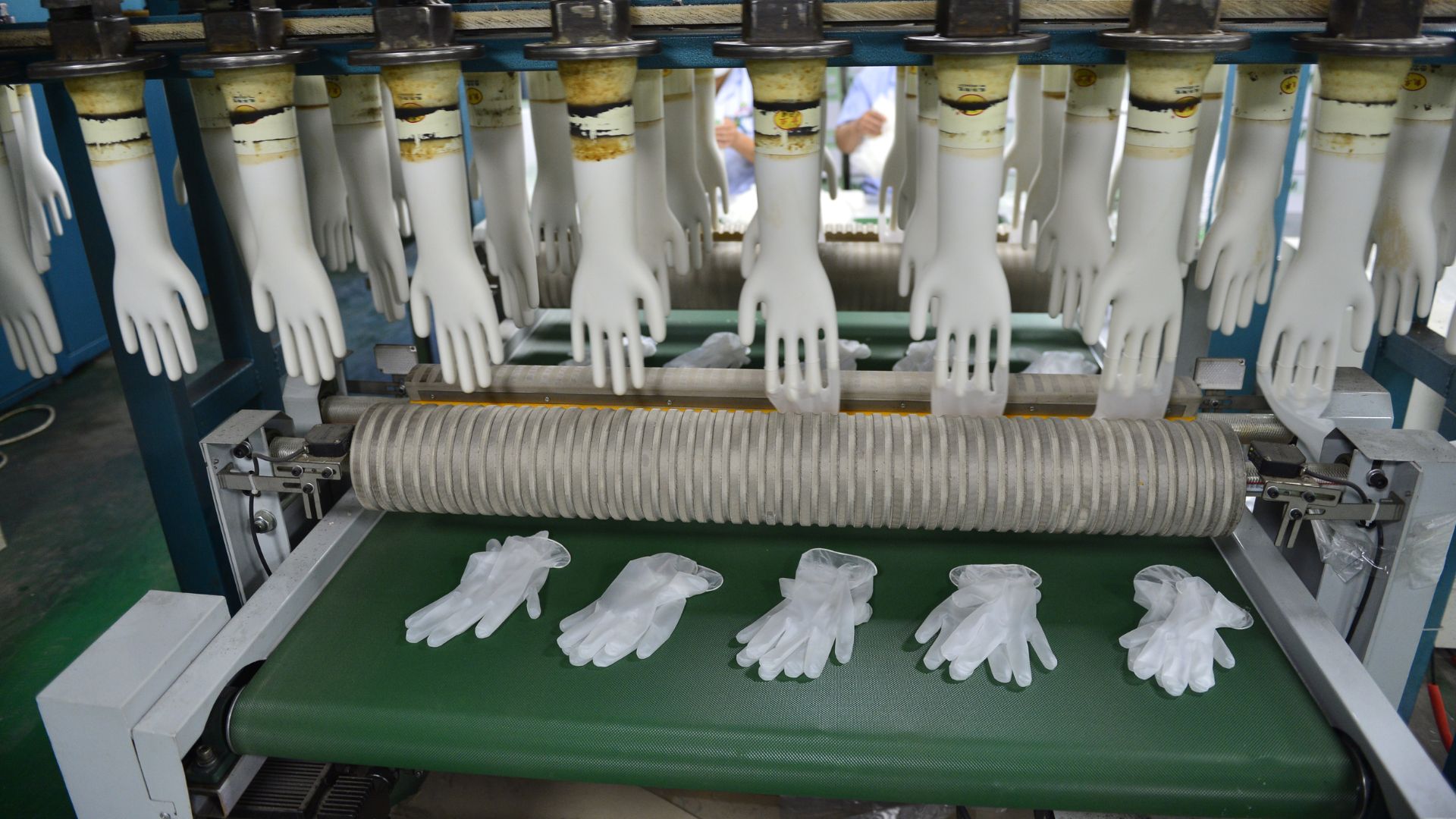
Working with a domestic manufacturer like Health and Hospitality Supply results in more consistent, shorter nitrile glove lead times for several reasons. First, it eliminates international shipping delays. Overseas supply chains are vulnerable to port congestion, customs clearance issues, and geopolitical disruptions, all of which can add unpredictable delays. Domestic supply security mitigates these risks, providing a more reliable delivery timeline.
Manufacturing capacity at scale is another advantage. With 7 million square feet of manufacturing space and an annual production of 2.5 billion nitrile gloves, domestic suppliers can prioritize your orders with proven capacity and flexibility. Supply chain transparency is also enhanced through vertical integration, enabling real-time monitoring and rapid responses to demand changes, thereby reducing lead-time variability.
Moreover, domestic production aligns with sustainability and compliance goals. By incorporating closed-loop water systems and achieving energy independence, domestic manufacturers support your Environmental, Social, and Governance (ESG) compliance objectives without compromising delivery speed. This combination of scale, control, and sustainability positions domestic nitrile glove manufacturing as the token of your procurement strategy.
Related: How to Reduce Supply Chain Risk for Nitrile Gloves With a Domestic Supplier
What You Should Expect Regarding Lead Times
While lead times can fluctuate based on demand and market conditions, working with a domestic, vertically integrated supplier generally means you can expect standard lead times ranging from two to four weeks for most orders.
In addition to standard lead times, domestic suppliers often have surge capacity to accommodate emergency or increased demand. Surge capacity includes expedited production and prioritized shipping, ensuring your clinical teams receive critical supplies when they need them most.
Consistent quality assurance is also guaranteed. All nitrile gloves meet FDA 501(k) and ASTM standards, providing compliance confidence without sacrificing delivery timelines. Setting these expectations allows procurement teams to better coordinate multi-facility procurement and maintain uninterrupted access to essential supplies.
How to Manage Nitrile Glove Lead Times Effectively
To optimize your procurement strategy around nitrile glove lead times, you need to:
- Build strong partnerships with suppliers who offer dedicated account management and understand your organizational needs.
- Collaborate closely with clinical teams to forecast demand, help anticipate usage patterns, and order accordingly, reducing the risk of supply shortages.
- Standardize nitrile glove specifications across facilities to simplify ordering and reduce lead-time variability.
- Leverage volume discounts through larger, consolidated orders to improve production scheduling and further reduce lead times.
- Incorporate sustainability goals by selecting suppliers that meet ESG standards to ensure your procurement strategy balances environmental responsibility with supply chain resilience.
Implementing these strategies not only supports operational efficiency but also demonstrates strategic value to leadership, reinforcing your role in maintaining a resilient healthcare supply chain.
Why Other Suppliers Fall Short on Lead Times
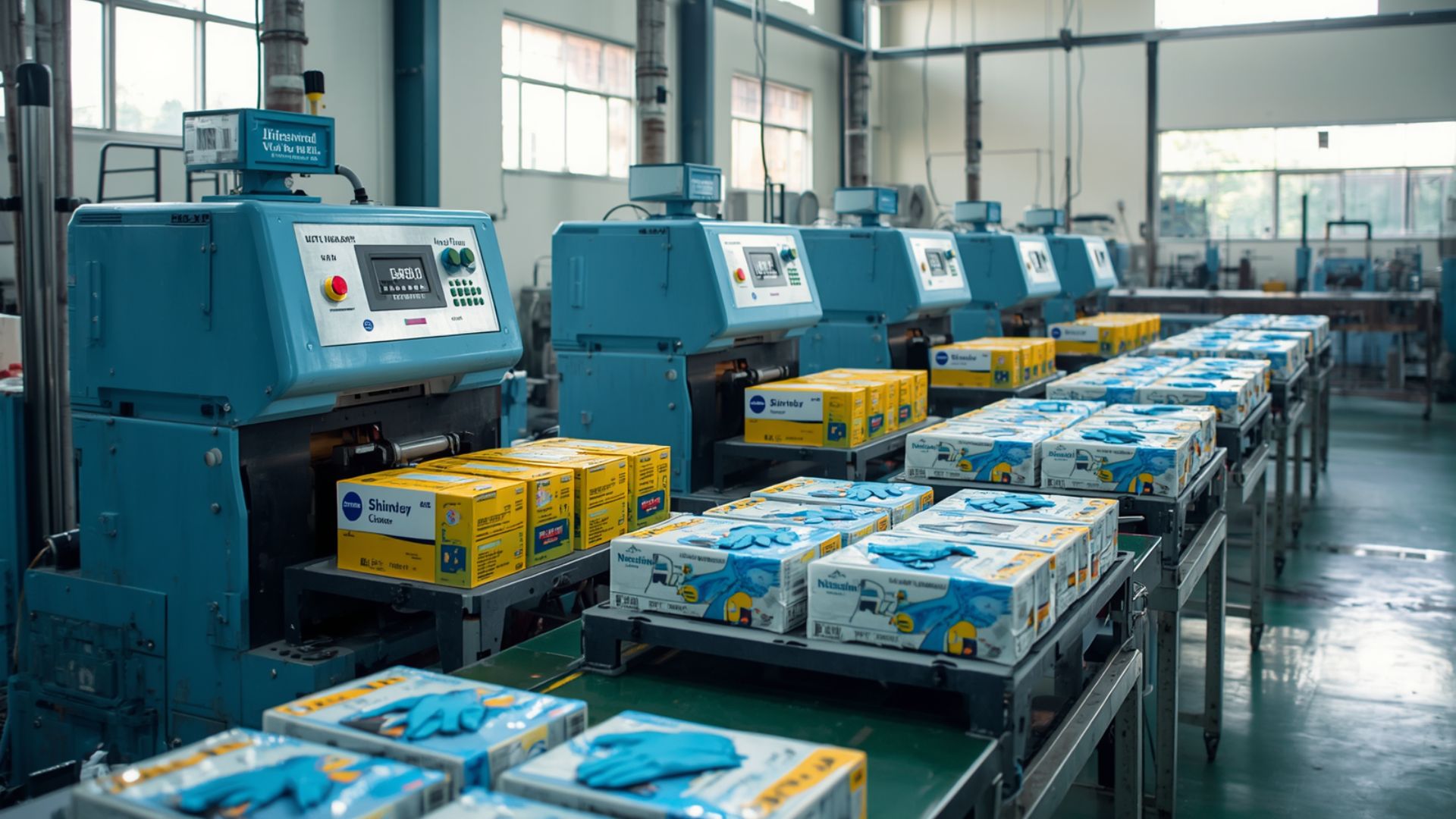
Import-dependent procurement strategies often face longer and less predictable lead times due to factors beyond your control. International shipping delays caused by port congestion and customs clearance can add weeks to delivery schedules. Third-party dependencies increase vulnerability to supply disruptions, while overseas manufacturers may struggle to meet sudden spikes in demand due to limited surge capacity.
Additionally, overseas suppliers often lack the transparency and communication channels necessary to provide timely updates on order status, leaving procurement teams in the dark at the worst times. A lack of visibility can complicate planning and increase the risk of stockouts. Regulatory risks also pose challenges, as imported gloves sometimes face compliance issues that lead to additional delays, further disrupting supply chains.
Moreover, geopolitical tensions, trade restrictions, and fluctuating tariffs can unpredictably impact international supply chains, adding another layer of uncertainty; these factors collectively make import-dependent procurement less reliable, especially when healthcare providers require rapid, consistent access to personal protective equipment (PPE). In contrast, domestic manufacturing offers supply assurance backed by scale, transparency, and regulatory compliance, providing a more reliable and efficient procurement solution.
You May Also Like: How Traceability in Nitrile Glove Manufacturing Builds Trust with Healthcare Procurement Teams
Take Control of Your Nitrile Glove Lead Times with Health and Hospitality Supply
Your hospital’s nitrile glove procurement strategy should prioritize supply chain resilience and operational excellence. By partnering with a domestic manufacturer that offers vertical integration, manufacturing capacity at scale, and sustainability leadership, you ensure that your clinical teams receive the supplies they need without compromise.
Reach out to Health and Hospitality Supply today to discuss how our FDA 501(k) approved nitrile gloves and reliable supply chain solutions can support your procurement strategy. Together, we can help you achieve supply assurance, confidence in compliance, and strategic value for your healthcare system. Our dedicated supply team is ready to collaborate with you to create tailored solutions, ensuring your nitrile glove lead times are as efficient and resilient as possible.