
Summary: Traceability in nitrile glove manufacturing provides healthcare procurement directors with documented supply chain transparency that meets regulatory requirements, supports value analysis committees, and satisfies clinical stakeholders. Complete traceability systems track nitrile gloves from raw materials through finished products, creating verifiable compliance records. Domestic manufacturing with vertical integration delivers enhanced traceability compared to import-dependent supply chains with multiple third-party handoffs. Traceability documentation becomes a strategic differentiator that protects both patient safety and your professional credibility.
Why Traceability in Nitrile Glove Manufacturing Matters to Your Procurement Strategy
Healthcare procurement directors face mounting pressure to demonstrate supply chain integrity—but few products carry the patient safety implications of nitrile gloves. Your clinical teams depend on consistent barrier protection during thousands of daily patient interactions. Your value analysis committee expects documented proof that suppliers meet FDA 501(k) and ASTM standards. Your leadership demands assurance that supply disruptions won’t compromise clinical operations.
Traceability in nitrile glove manufacturing addresses all these concerns simultaneously. When manufacturers implement comprehensive traceability systems, you gain visibility into every production stage—from raw material sourcing through quality assurance to final packaging. This transparency transforms procurement from a transactional relationship into a strategic partnership built on verifiable data.
The question isn’t whether traceability matters—it’s whether your current nitrile glove supplier can provide the level of documentation that meets your organization’s compliance requirements and risk management expectations.
Related: Domestic Nitrile Glove Sourcing Impact on Sustainability Goals for Large Health Systems
What Complete Traceability in Nitrile Glove Manufacturing Actually Includes
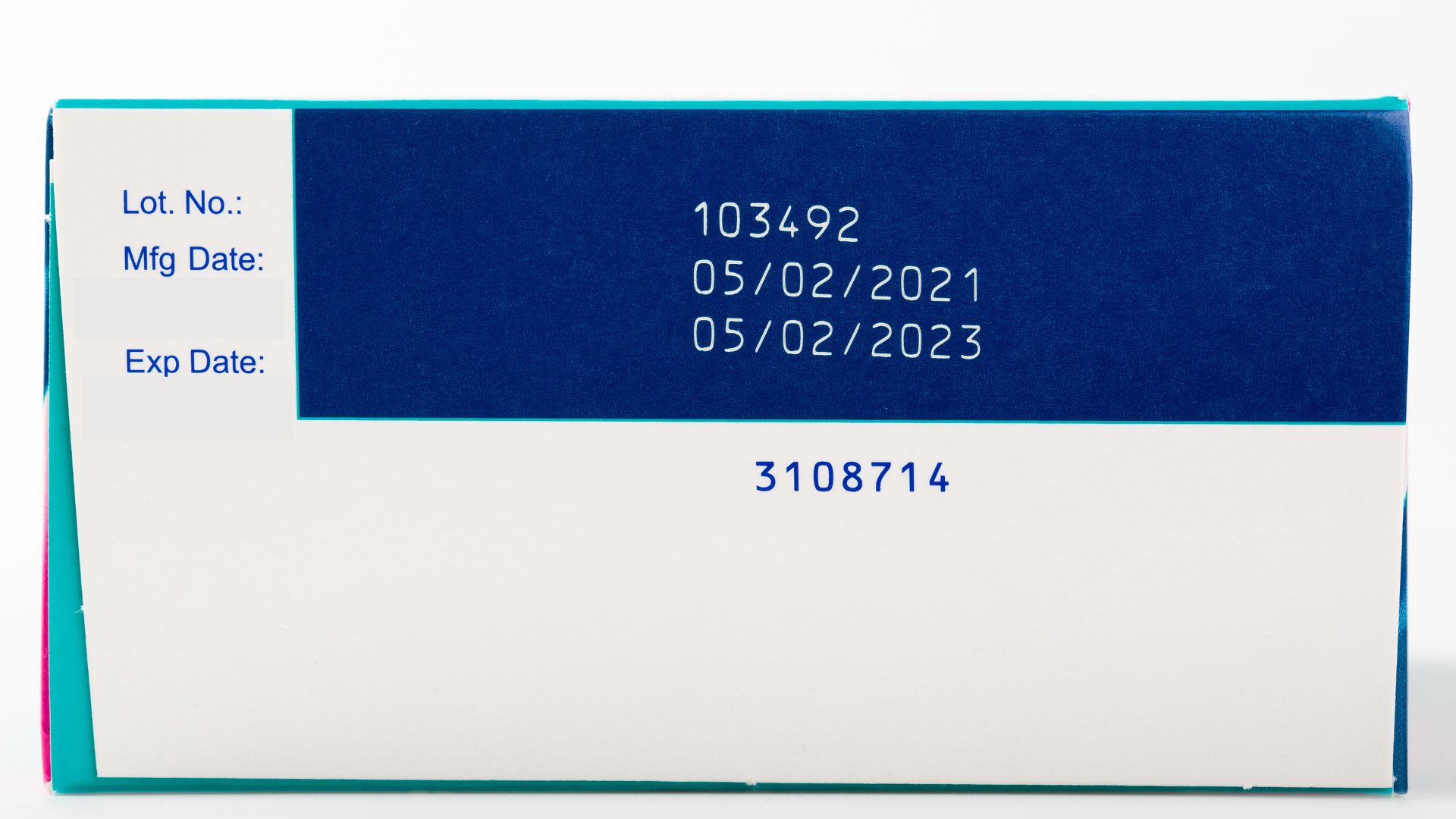
Traceability extends far beyond basic lot numbers printed on boxes. Comprehensive traceability in nitrile glove manufacturing establishes a documented chain of custody that links finished products to their source materials.
Raw Material Documentation
Complete traceability begins with raw material verification. Your nitrile glove manufacturer should document the source of nitrile compounds, chemical additives, and packaging materials. When manufacturers control their own raw material sourcing through vertical integration, traceability becomes more reliable because fewer third-party handoffs create documentation gaps.
Production Batch Tracking
Every production run generates unique batch identifiers that link specific nitrile gloves to manufacturing dates, equipment used, quality control results, and personnel involved. When clinical teams report concerns about nitrile glove performance, batch-level traceability allows manufacturers to investigate specific production parameters rather than issuing blanket recalls.
Quality Testing Records
FDA 501(k) approved nitrile gloves undergo rigorous testing throughout production. Traceability systems document tensile-strength measurements, barrier-integrity testing, biocompatibility assessments, and ASTM compliance verification for each batch. These records provide the evidence your value analysis committee requires when evaluating supplier changes.
Distribution Chain Visibility
Traceability in nitrile glove manufacturing extends through distribution networks. Complete systems track which batches shipped to which facilities on specific dates. Domestic manufacturing shortens distribution chains and simplifies traceability compared to international supply routes involving multiple freight forwarders, customs brokers, and distribution centers.
How Traceability Supports Regulatory Compliance and Risk Mitigation
Your organization’s regulatory compliance depends on supplier documentation that withstands FDA scrutiny and internal audits. Traceability in nitrile glove manufacturing provides the evidence trail that demonstrates due diligence. FDA regulations require medical device manufacturers to maintain device history records documenting production details for each batch. When you source nitrile gloves from manufacturers with robust traceability systems, you inherit access to this documentation.
Unique Device Identification (UDI) requirements mandate that medical devices carry standardized identifiers enabling traceability throughout the healthcare supply chain. Nitrile glove manufacturers that implement UDI compliance provide barcoded labels that integrate with your facility’s inventory management systems, enabling automated traceability that reduces manual documentation burdens and improves accuracy.
Traceability provides risk mitigation advantages during supply chain disruptions. When overseas manufacturers face production delays, limited traceability makes it difficult to verify whether alternative suppliers can provide equivalent products. Domestic nitrile glove manufacturing with complete traceability documentation allows you to confidently specify requirements and verify compliance when evaluating backup suppliers.
Also on our blog: Keys to Reducing Disposable Glove Contamination Risks in High-Risk Environments
Vertical Integration Enhances Traceability in Nitrile Glove Manufacturing
Supply chain complexity directly impacts traceability reliability. Every third-party relationship in your nitrile glove supply chain creates potential documentation gaps, communication delays, and accountability questions. Vertically integrated domestic nitrile glove manufacturing eliminates these vulnerabilities by consolidating raw material production, manufacturing, quality testing, and distribution within a single organization.
This integration delivers practical advantages. You work with a single account team that accesses complete production records, rather than coordinating with raw material suppliers, contract manufacturers, and distributors who each maintain separate documentation systems. When quality questions arise, vertically integrated manufacturers investigate across their entire operation.
Manufacturing scale reinforces traceability capabilities. Facilities producing 2.5 billion nitrile gloves annually across 7 million square feet of domestic manufacturing space invest in enterprise-level systems that provide real-time visibility into production status, inventory locations, and quality metrics. Traceability in nitrile glove manufacturing becomes more comprehensive when manufacturers operate at this scale, supporting your organization’s just-in-time inventory strategies while maintaining supply assurance.
Traceability Documentation Your Value Analysis Committee Expects
Value analysis committees evaluate supplier changes through rigorous documentation review. Traceability in nitrile glove manufacturing provides the evidence that satisfies clinical stakeholders, infection prevention teams, and administrative leadership.
Compliance Certifications
Your committee expects current FDA 501(k) clearance letters, ASTM test results demonstrating compliance with D6319 standards for nitrile examination gloves, and biocompatibility testing documentation. Traceability systems link these certifications to specific product lots, proving that the nitrile gloves your facilities receive match tested specifications.
Manufacturing Process Documentation
Clinical stakeholders want assurance that nitrile glove production follows validated processes. Traceability records document critical process parameters, environmental controls, and quality checkpoints throughout manufacturing, demonstrating that consistent production methods deliver reliable product performance.
Supply Chain Mapping
Your committee needs visibility into supply chain vulnerabilities that could disrupt nitrile glove availability. Traceability documentation that maps raw material sources, production locations, and distribution routes enables risk assessment. Domestic manufacturing with vertical integration yields simpler supply chain maps with fewer points of vulnerability.
Sustainability Metrics
Board-level ESG commitments require procurement decisions that advance environmental goals. Traceability in nitrile glove manufacturing documents sustainability practices, including water recycling rates, energy sources, and waste reduction initiatives. When manufacturers operate closed-loop water systems and onboard power generation, traceability records quantify environmental impact reductions supporting your organization’s sustainability reporting.
Comparing Traceability: Domestic vs. Import-Dependent Supply Chains
Supply chain geography fundamentally affects the reliability of traceability. Import-dependent nitrile glove procurement involves multiple international handoffs, with raw materials originating in one country, manufacturing in another, and distribution via third-party logistics providers across multiple jurisdictions. Each handoff creates documentation challenges, including language barriers and inconsistent regulatory frameworks.
Domestic nitrile glove manufacturing operates within unified regulatory frameworks. FDA oversight applies consistently across production facilities. ASTM standards provide common quality benchmarks. Documentation follows standardized formats that your procurement team understands without translation. Traceability in nitrile glove manufacturing becomes more reliable when supply chains operate domestically under consistent regulatory oversight.
During quality investigations, domestic manufacturers with comprehensive traceability systems typically respond within hours. International suppliers may require days or weeks to gather documentation from contract manufacturers across multiple countries. Traceability also impacts recall management—domestic supply chains with complete visibility enable targeted recalls affecting specific lots, while import-dependent supply chains with limited traceability may require broader recalls.
Implementing Traceability Requirements in Your Procurement Specifications
Healthcare procurement directors can strengthen supply chain integrity by incorporating traceability requirements into nitrile glove procurement specifications and supplier evaluation criteria. Traceability in nitrile glove manufacturing should become a formal evaluation criterion alongside pricing, quality, and delivery reliability.
Define Documentation Expectations
Specify the traceability documentation suppliers must provide with each shipment, including batch numbers, manufacturing dates, quality test results, compliance certifications, and raw material sourcing information. Clear specifications eliminate ambiguity about documentation standards.
Establish Response Time Requirements
Define how quickly suppliers must provide detailed traceability information when your organization requests production records or investigates quality concerns. Response time commitments become contractual obligations rather than informal expectations.
Require System Integration Capabilities
Evaluate whether supplier traceability systems integrate with your facility’s inventory management platforms. Barcode compatibility, electronic data interchange capabilities, and automated documentation transfer reduce manual data entry while improving accuracy.
Verify Traceability During Supplier Audits
Include traceability system evaluation in supplier qualification audits. Request demonstrations of how manufacturers track products from raw materials through distribution. Test whether suppliers can quickly retrieve batch-specific documentation for randomly selected products.
Prioritize Vertical Integration
Consider how the supply chain structure affects traceability reliability when comparing suppliers. Vertically integrated domestic manufacturers typically provide more comprehensive traceability than suppliers dependent on multiple third-party relationships.

How Traceability Strengthens Your Relationship with Clinical Teams
Clinical staff satisfaction with nitrile gloves affects the success of your procurement strategy. When clinical teams report that nitrile gloves feel different or perform inconsistently, traceability documentation helps investigate whether product specifications changed. Batch-level tracking identifies whether reported issues correlate with specific production runs, manufacturing dates, or raw material sources, replacing subjective debates with objective analysis.
Traceability supports standardization initiatives across multi-facility health systems. When your organization consolidates nitrile glove products to reduce SKU complexity and improve pricing, traceability documentation proves that nitrile gloves used in surgical centers, emergency departments, and outpatient clinics all meet identical specifications despite different usage environments.
Infection prevention teams rely on traceability when investigating potential contamination events. Traceability systems quickly identify which nitrile glove batches were available in affected units during relevant timeframes, enabling rapid inclusion or exclusion from the investigation scope.
Traceability as Competitive Advantage in Supplier Selection
Healthcare procurement directors evaluate multiple factors when selecting nitrile glove suppliers—pricing, delivery reliability, product quality, and customer service all influence decisions. Traceability in nitrile glove manufacturing increasingly serves as a competitive differentiator, separating strategic partners from transactional vendors.
Suppliers offering comprehensive traceability demonstrate operational maturity and a commitment to quality. Manufacturers investing in enterprise traceability systems signal that they prioritize transparency and accountability. Traceability capabilities also predict supplier responsiveness during supply chain disruptions—manufacturers with real-time visibility into production capacity, inventory levels, and distribution networks can proactively communicate about potential delays.
Traceability documentation serves as insurance against professional liability concerns. When procurement decisions face scrutiny following adverse events, comprehensive traceability records demonstrate that you conducted appropriate due diligence. Documentation proving that nitrile gloves met all regulatory requirements and quality standards protects your professional credibility and your organization’s legal position.
You Might Like: Achieving Hospital Supply Chain Resilience Through Domestic Nitrile Glove Manufacturing
Building Supply Chain Resilience Through Enhanced Traceability
The COVID-19 pandemic exposed supply chain vulnerabilities that healthcare procurement directors continue addressing through resilience-building strategies. Traceability in nitrile glove manufacturing contributes to supply chain resilience by providing visibility that enables proactive risk management.
Resilient supply chains require diversification strategies that maintain backup suppliers without sacrificing quality standards. Traceability documentation enables you to pre-qualify alternative nitrile glove suppliers by verifying their compliance credentials, production capabilities, and quality systems before emergencies occur. When primary suppliers experience disruptions, you can confidently activate backup relationships.
Domestic manufacturing with vertical integration inherently provides supply chain resilience advantages. When manufacturers control their entire production process within the United States, your organization avoids vulnerabilities associated with international shipping delays, customs complications, and geopolitical tensions. Strategic inventory management relies on traceability data—by understanding typical lead times and production schedules through supplier traceability systems, you can optimize inventory levels that balance carrying costs with stock-out risks.
Partner with Manufacturers Who Prioritize Traceability in Nitrile Glove Manufacturing
Healthcare procurement directors seeking to strengthen supply chain integrity should evaluate suppliers based on their traceability capabilities, alongside traditional factors such as pricing and product quality. Comprehensive traceability in nitrile glove manufacturing provides the transparency, documentation, and accountability that support your organization’s compliance requirements, risk mitigation strategies, and clinical quality standards.
Health and Hospitality Supply partners with healthcare procurement leaders through access to one of America’s largest nitrile glove manufacturers—delivering 2.5 billion nitrile gloves annually from 7 million square feet of fully integrated domestic production. Our vertically integrated supply chain provides complete traceability from raw materials through finished products, creating the documentation depth that satisfies value analysis committees, regulatory audits, and clinical stakeholders. Contact us to discuss how our manufacturing capacity and traceability systems can support your supply chain integrity goals.