Harvard Mayor Townhall
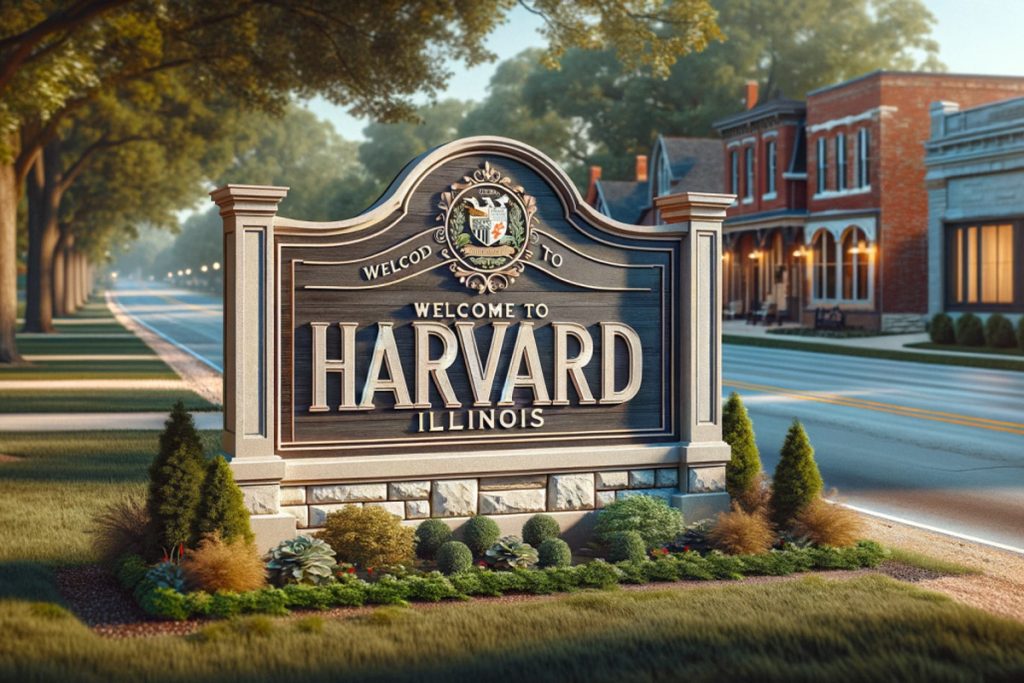
We’re proud to partner with Mayor Kelly and the Harvard community in their mission and vision of making Harvard a thriving innovation hub.
Acquisition of Chemical Plant

The only American manufacturer of the machines, components, and chemicals necessary to make nitrile and polyisoprene gloves in the United States
Ambassador Siegel’s Endorsement
Thank you to Ned L. Siegel, U.S. Ambassador to the Bahamas, for your affirming words and your constant support as a committed partner of U.S. Medical Glove Company.
cnc machinery
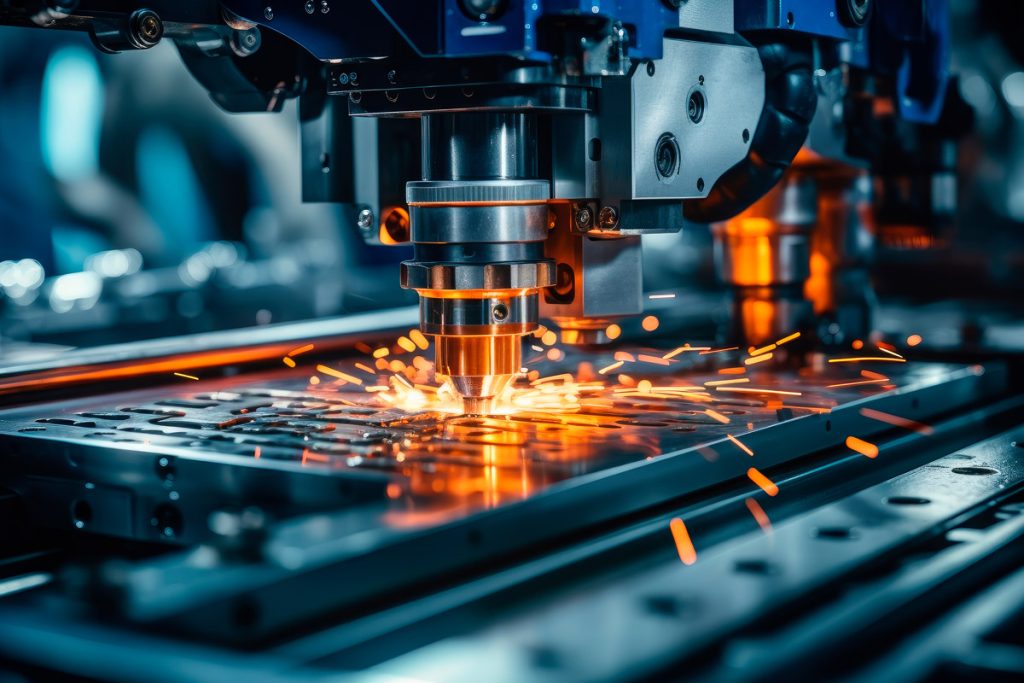
Building Self-Reliance: Pioneering U.S. Manufacturing with CNC Precision At U.S. Medical Glove Company. we’re harnessing the power of CNC machinery to revolutionize our manufacturing process. With three American-made machines at our manufacturing hub in Harvard, IL, these cutting-edge machines form the backbone of our component manufacturing, allowing us to produce intricate parts with unparalleled precision and efficiency. The decision to incorporate CNC technology was driven by its numerous benefits. These machines dramatically increase accuracy and repeatability, significantly reduce production times, and minimize human error. We work primarily with steel and tool steel, and plan to expand into aluminum and potentially plastics. We’re excited about further automation possibilities, including the integration of robotics for machine setup. At USMGC, we’re committed to leveraging cutting-edge technology to produce the highest quality components, ensuring we meet the evolving needs of our customers and the medical industry.
BotX Cobot Welding Machine
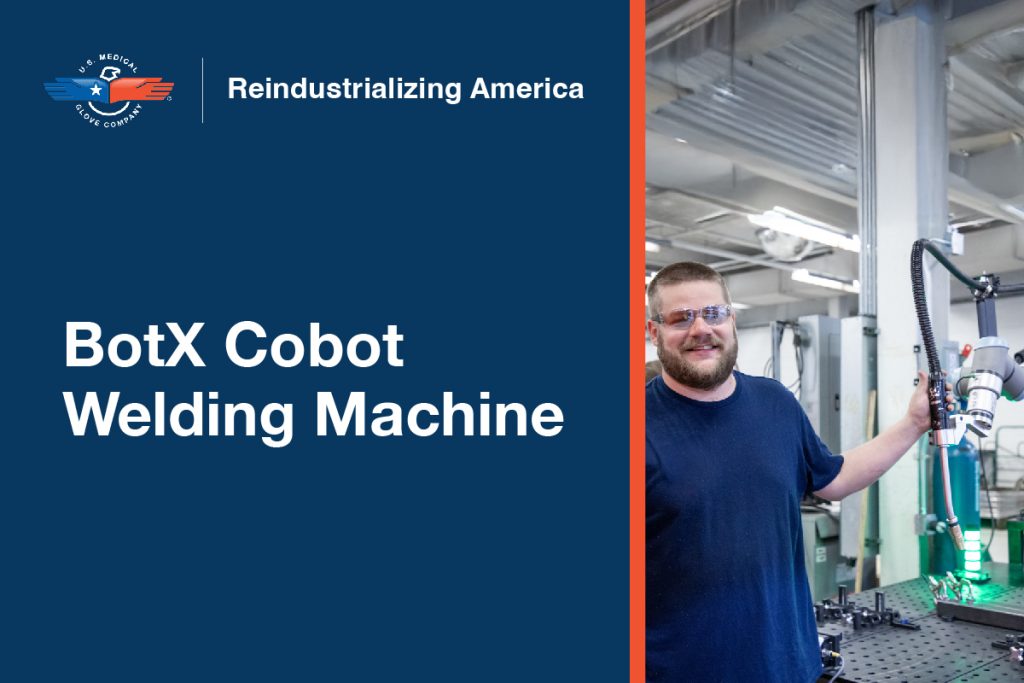
Revolutionizing U.S. Manufacturing: How BotX Technology Powers Efficiency at U.S. Medical Glove Company At U.S. Medical Glove Company, we’re dedicated to reindustrializing American manufacturing and making high-quality nitrile gloves in the United States. As part of our mission, we continually seek cutting-edge technologies that optimize production, enhance our manufacturing efficiency, and support our team’s expertise. Enter the BotX Cobot Welding System from Red-D-Arc—a transformative tool that has become an invaluable asset in our production process. BotX provides an easy-to-use, automated welding system that can be customized to meet any production demand. The system’s on-demand, flexible model means that companies can scale production as needed. For U.S. Medical Glove Company, this versatility means we can rapidly align our production capabilities to meet shifts in demand—all without the need for capital investment. The BotX Cobot Welding System enables our operators to set up and weld complex parts in minutes, all while maintaining unparalleled arc stability. With advanced waveform control, the system delivers faster travel speeds, allowing our fabrication teams to work with unmatched productivity. The fine-tuning capabilities of BotX mean our operators can tailor welding parameters to meet specific engineered specifications, ensuring precision and consistency across our products. As Red-D-Arc’s largest BotX customer in North America, U.S. Medical Glove Company is proud to serve as a model for how advanced technology can drive American manufacturing forward. The BotX system has empowered our fabrication teams, helping us achieve new levels of productivity while supporting the goal of building life-saving nitrile gloves entirely in the U.S. Our Harvard, IL headquarters is the home of our entire suite of automated manufacturing technologies, including components, robotic tooling, laser cutting, and accessories—all selected to ensure uninterrupted production. With BotX at the heart of our fabrication operations, we continue to elevate our ability to deliver the life-protecting products our customers depend on. Our commitment to innovation in manufacturing automation aligns perfectly with Red-D-Arc’s vision for BotX: to support businesses in reaching new heights of productivity and adaptability. We are incredibly grateful for Red-D-Arc’s ongoing partnership, and we look forward to continuing this journey together as we advance American manufacturing. With the BotX Cobot Welding System, U.S. Medical Glove Company is able to meet the challenges of today’s manufacturing environment head-on, all while keeping our mission at the forefront—creating safe, reliable, and American-made medical products.
Launch of Accessories Division
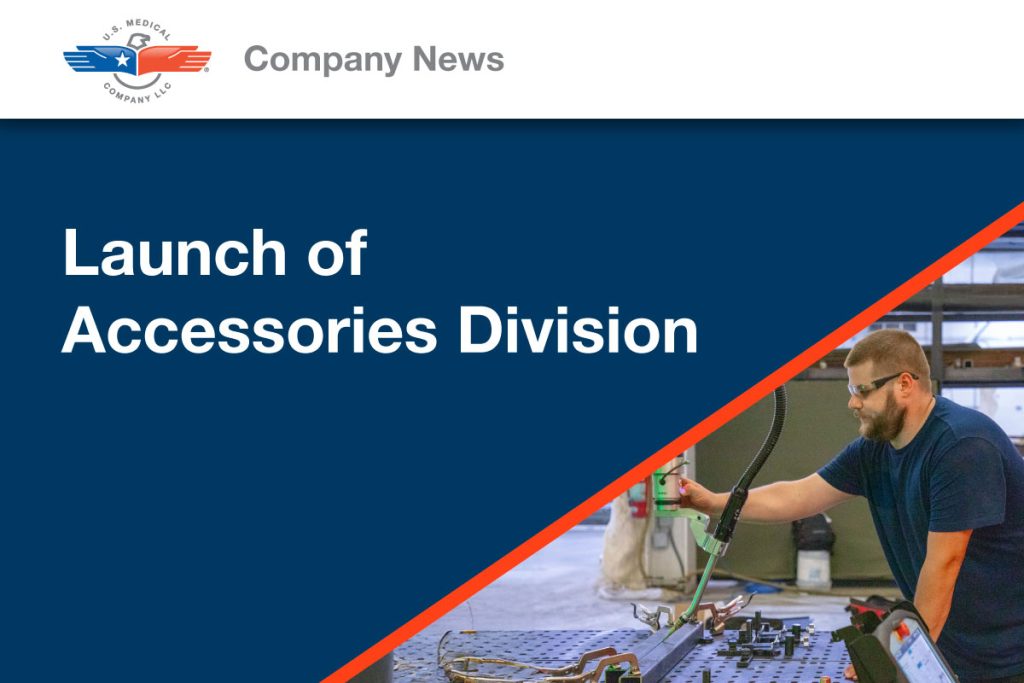
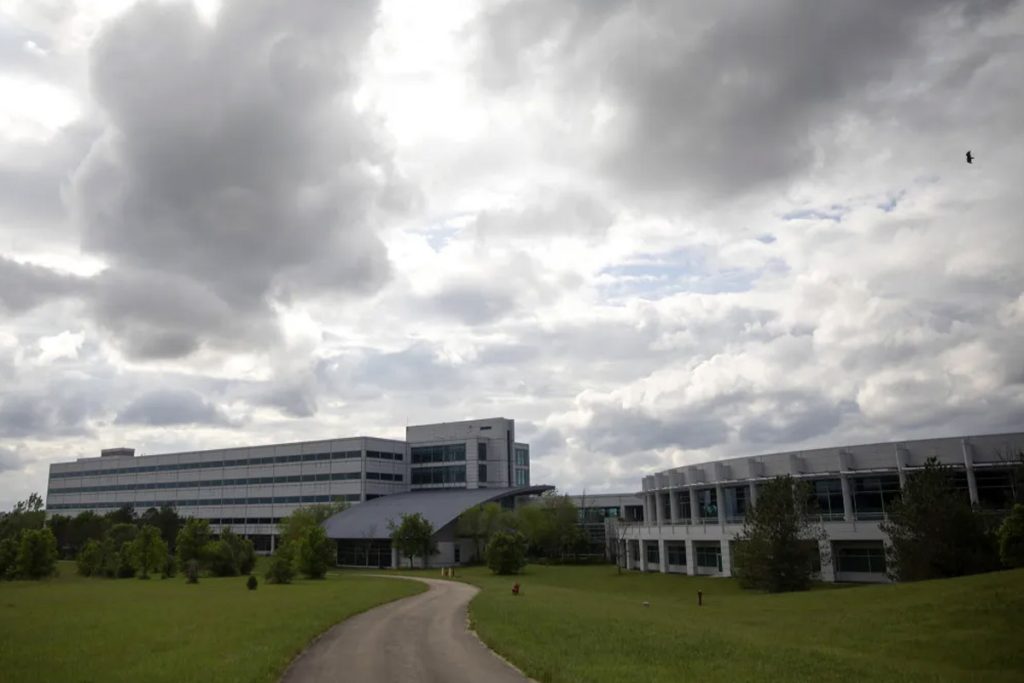
U.S. Medical Glove Company Launches U.S. Medical Accessories Division Illinois-based division to provide service and support for customers across the world manufacturing exam gloves on USMGC’s proprietary machines HARVARD, Ill., Nov. 7, 2024 — U.S. Medical Glove Company (USMGC) — the only American manufacturer of the machines, components, and chemicals necessary to make nitrile and polyisoprene exam gloves in the United States — announced today the launch of a new division, U.S. Medical Accessories (USMA), to support its growing business of building proprietary medical exam glove-making machines. The new division, USMA, will exclusively supply USMGC customers with support and service for its machines. This includes supplying the parts, components, robotic tooling technology, laser cutting systems, custom electrical panels, and additional accessories required for manufacturing nitrile and polyisoprene exam gloves. “Our suite of tools and technology ensures our customers and joint-venture partners can continuously operate our revolutionary machines,” says Alex Todoroki of USMGC. “We understand how crucial it is to minimize any potential interruptions to the manufacturing and production of our life-protecting surgical and medical exam gloves.” Based out of USMGC’s global headquarters at its 350-acre, high-tech manufacturing facility in Harvard, Illinois, USMA is powered by a workforce of hundreds of engineers, welders, electricians, CNC technicians, and other support staff. A team of customer-service specialists also field support inquiries from customers across the globe at the Midwest campus. “This level of service and support has never existed in the industry,” says Todoroki. “Before, if you needed a part or had a problem with your machine, you were on your own. Chinese and other foreign manufacturers were not accountable for defects in their machinery.” USMGC’s machines have transformed the manufacturing of medical exam gloves by building new technology and designing new processes to all but eliminate the inefficiency, waste, and contamination tied to traditional production methods. Compared to conventional models, USMGC’s machines use 11 times less water and 10 times less energy. And their modular design allows for shipment anywhere within 10 days. All machinery is proudly 100% Made-in-America, fabricated with materials, equipment, and components onsite in Illinois. View the full report here.
Award from Local Economic Group
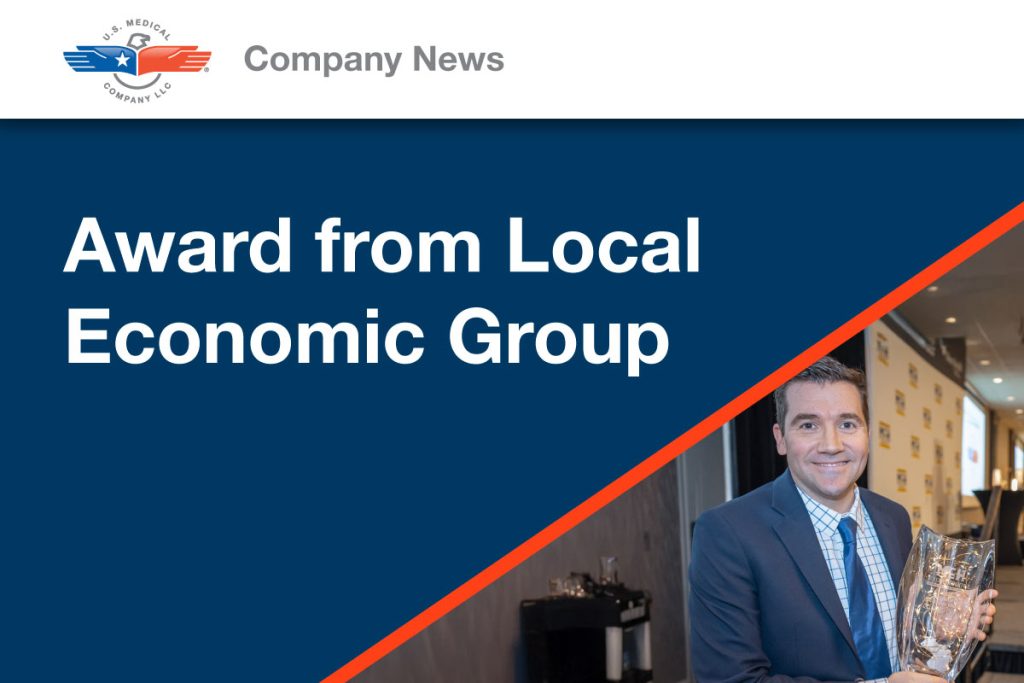
U.S. Medical Glove Company Accepts Welcome to McHenry County Award This past Wednesday, U.S. Medical Glove Company was honored to receive the Welcome to McHenry County Award at the McHenry County Economic Development Corporation’s Annual Dinner. This recognition celebrates our commitment to innovation, growth, and community impact since establishing our headquarters in McHenry County, and this recognition means the world to us! Our CFO, Lucas Muriello, accepted the award on behalf of our entire team in front of an audience of over 500 influential leaders from McHenry County’s private sector and government. It was a powerful evening that showcased the strength of this community and its dedication to fostering success for businesses and residents alike. One of the evening’s highlights was the inspiring keynote address from Dan Hampton, Chicago Bears legend and NFL Hall of Famer. Dan brought not only his Super Bowl ring but also his infectious energy, reminding us all of the importance of teamwork, perseverance, and striving for excellence. As we reflect on this honor, we are deeply grateful to MCEDC and the McHenry County community for their unwavering support. This award is a testament to the collaborative spirit that makes McHenry County such an incredible place to work and thrive. Thank you, McHenry County, for welcoming us with open arms. We’re excited to continue building a brighter, stronger future together!
ASPR’s Senior Official’s Endorsement

The ultimate goal of IBMSC investments is to ensure sustainable domestic capacity. This requires companies to think creatively about supply chains
3d part & components
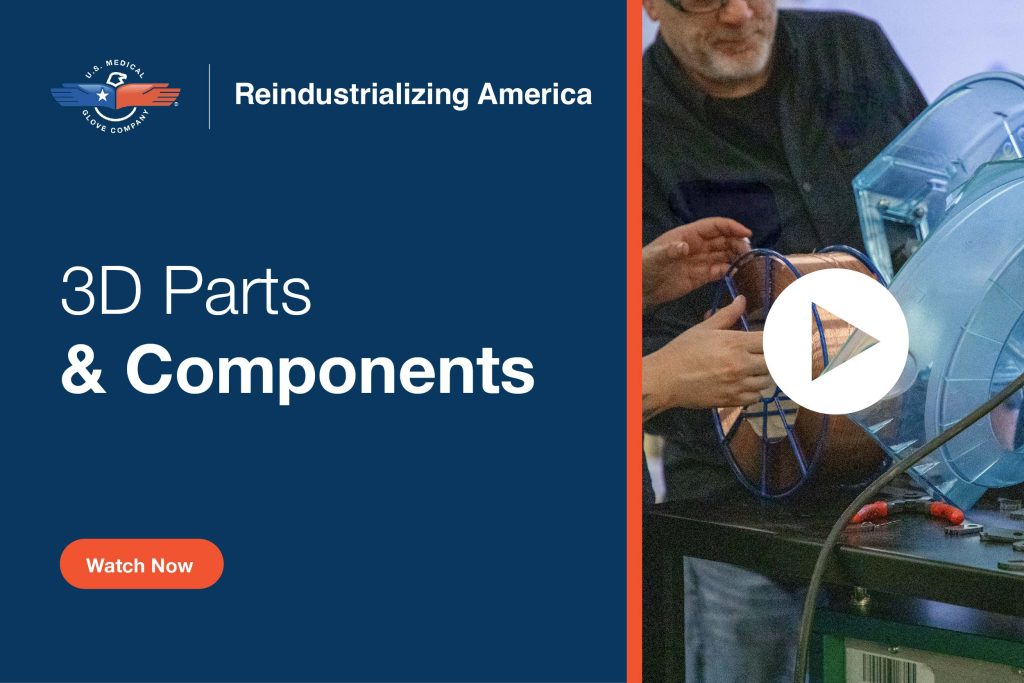
How Making Our Own 3D Parts & Components Unlocks a Self-Reliant Supply Chain for Medical Exam Gloves At U.S. Medical Glove Company, even one missing part can disrupt the production of critical medical supplies. Our solution? Make the parts ourselves. Using advanced CNC machining and 3D printing, we produce over 80,000 components right here in middle America. This self-reliance ensures our production lines stay efficient and reliable. From our Innovation Center to our fabrication wing, every part reflects our commitment to American-made quality. See how we’re leading the way in manufacturing—watch our latest video and explore the technology driving U.S. Medical Glove Company.
USNGC Machine Delivery in UAE

U.S. Medical Glove Company Delivers Machinery to Partners in United Arab Emirates Our team from our U.S. headquarters was on the ground recently to deliver and assemble our state-of-the-art glove-making machines to our partners in the United Arab Emirates, Medeco Protective Safety Equipment Manufacturing and Abu Dhabi Medical Devices Company. We’re proud to announce that thanks to this partnership, the United Arab Emirates is now producing their own domestic supply of medical exam gloves. It’s a major milestone in our mission to make U.S. Medical Glove Company the world leader in the manufacturing of personal protective equipment.