Machinery for JV Partner Featured in International Industrial Expo

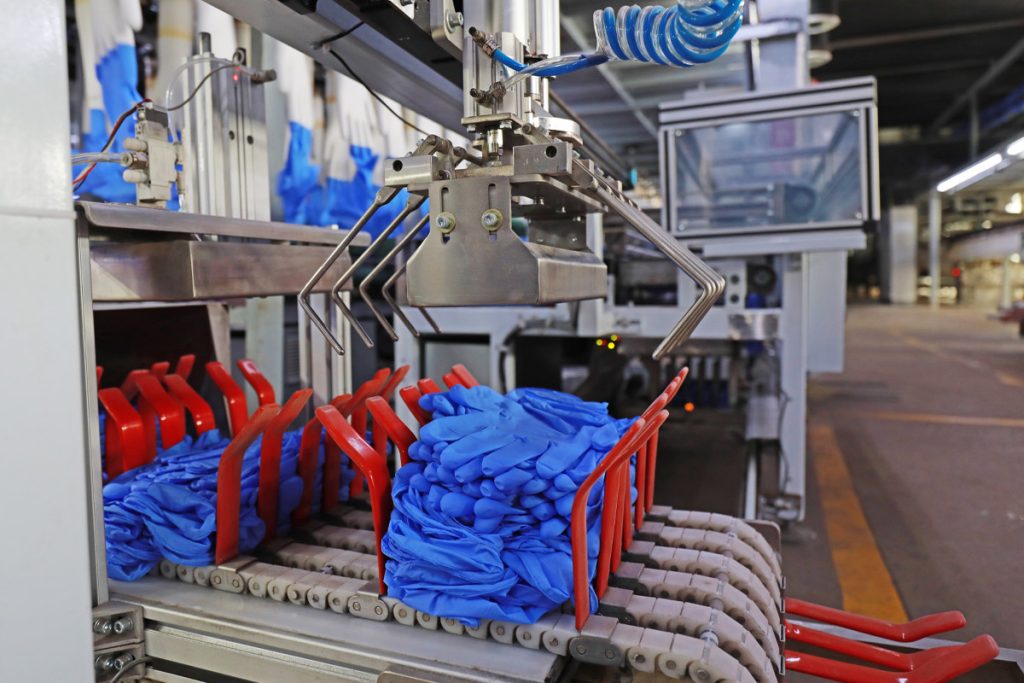
U.S. Medical Glove Company was proud to have our CFO Lucas Muriello attend the Made in the UAE trade show in May in support of our joint venture partner, Medeco Protective Safety Equipment Manufacturing, a division of Abu Dhabi Medical Devices Company (ADMD). The event highlighted our growing global partnerships and the innovative power of local manufacturing in the Middle East. At the center of the joint venture between USMGC and Medeco was an $80 million contract for the delivery of 12 proprietary glove-making machines—10 for nitrile exam gloves and 2 for polyisoprene surgical gloves. The machinery is in operation at Medeco’s facilities in Saudi Arabia. As part of the agreement, USMGC retains a 25% ownership stake in the venture. The joint venture began in Q1 of 2025. The trade show offered an opportunity to celebrate this collaboration and demonstrate how U.S.-engineered technology is helping scale high-quality glove manufacturing globally.
New Ohio MSA Manufacturing Hub, Completing Fully Onshored Medical and Surgical Glove Supply Chain

The only American manufacturer of the machinery, chemicals, and materials required to produce both nitrile and polyisoprene gloves, proudly announced in Ohio
Achieving Hospital Supply Chain Resilience Through Domestic Nitrile Glove Manufacturing
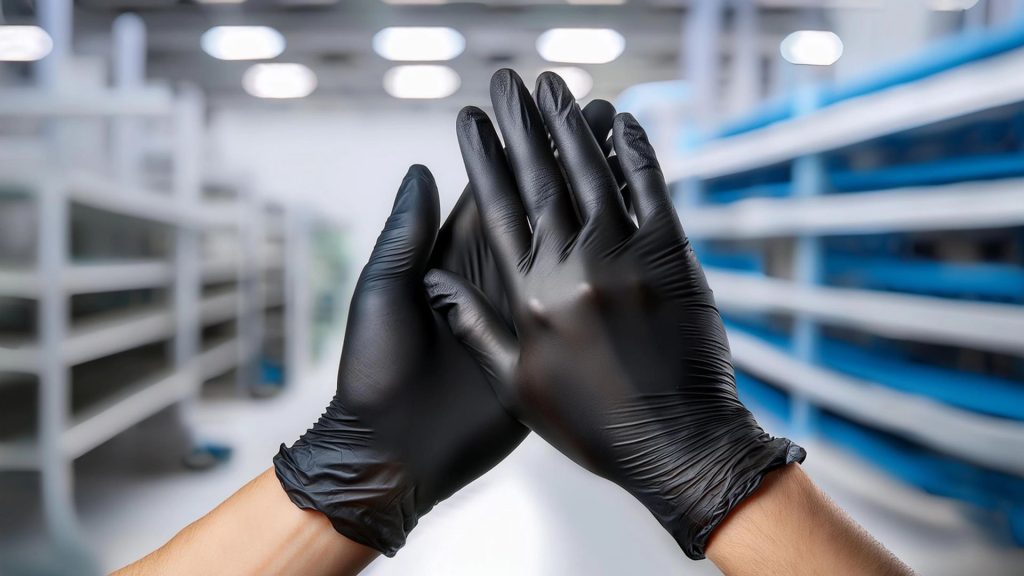
Discover how domestic nitrile glove manufacturing strengthens hospital supply chain resilience. Learn strategies procurement directors use.
Secure Field-Tested Nitrile Gloves for Emergency Response Now

Field-tested nitrile gloves for emergency response play a critical role in protecting first responders in unpredictable, hazardous situations.
PBBM, US Firm Tackle Plan for Medical Glove Factory in PH
American manufacturer U.S. Medical Glove Company (USMGC) has expressed interest in building a medical glove manufacturing facility in the Philippines
What to Know Before Signing Contracts with Nitrile Glove Suppliers: A Procurement Manager’s Checklist

Procurement Managers: 5 Questions to Ask Before Signing Contracts with Nitrile Glove Suppliers When you are preparing to finalize agreements for protective equipment, knowing what to consider before signing contracts with nitrile glove suppliers can make a significant difference. As a procurement manager in hospitality, your decisions impact not only operational efficiency but also guest satisfaction and brand reputation. The right nitrile gloves ensure safety, comfort, and consistency across your properties, while unreliable supplies or subpar products can disrupt service and increase costs. Why Asking These Questions Before Signing Contracts with Nitrile Glove Suppliers Matters Before signing contracts with nitrile glove suppliers, you need to balance quality, compliance, cost, and supply reliability. Your role demands products that support staff comfort during long shifts, maintain guest perceptions of cleanliness, and meet regulatory standards. Asking the right questions helps you avoid pitfalls such as inconsistent quality, supply shortages, or hidden costs that could affect your properties’ performance and reputation. Read More: Nitrile Glove Performance In High-Risk Hospitality Environments How Does the Supplier Ensure Product Quality and Compliance? Quality and compliance are non-negotiable when selecting nitrile gloves. Ask how the supplier verifies that their gloves meet FDA 501(k) approval and ASTM standards. Understanding their quality assurance processes, including testing and certifications, will give you confidence that the gloves will effectively protect your staff and guests. Real Life Example: A hospitality chain experienced frequent glove failures, leading to staff discomfort and guest complaints. After switching to a supplier with rigorous ASTM compliance and consistent quality checks, glove durability improved, reducing turnover and enhancing guest confidence in cleanliness. You Might Like: ASTM Testing Metrics for Nitrile Gloves Explained What Is the Supplier’s Track Record for Supply Chain Reliability? Supply interruptions can disrupt your cleaning protocols and guest services. Before signing contracts with nitrile glove suppliers, inquire about their ability to maintain steady inventory and manage logistics, especially during peak demand or emergencies. Real Life Example One procurement manager faced last-minute shortages during a busy season, forcing costly emergency orders. Choosing a supplier with transparent inventory management and reliable delivery schedules eliminated these disruptions. How Does the Supplier Support Cost Efficiency Without Sacrificing Quality? Balancing budget constraints with premium guest experiences is a constant challenge. Ask about pricing structures, volume discounts, and any hidden fees. Clarify how the supplier manages cost efficiency while maintaining product standards that align with your brand’s quality positioning. Real Life Example A hospitality group negotiated a contract with tiered pricing based on volume, enabling them to reduce costs during slower months without compromising glove quality during peak periods. See More: Making Nitrile Glove Supply Chain Reliability A Priority What Customization or Sustainability Options Are Available? Sustainability is increasingly important in procurement decisions. Before signing contracts with nitrile glove suppliers, explore environmentally responsible options that support your green initiatives. Also, check if the supplier offers customization, such as glove sizes or packaging tailored to your staff’s needs. Real Life Example A hotel chain implemented sustainable nitrile gloves with biodegradable packaging, enhancing their brand image among eco-conscious guests and staff. What Support and Communication Can You Expect Post-Contract? Long-term partnerships require clear communication and responsive support. Ask how the supplier handles order changes, quality issues, and ongoing compliance updates. Reliable customer service ensures you can address challenges promptly without operational delays. Real Life Example A procurement manager appreciated how Health and Hospitality Supply provides dedicated account management and proactive updates on regulatory changes, helping the team stay ahead of compliance requirements. Read Next: How ASTM Standards For Disposable Gloves Ensure Field Safety Pros and Cons of Asking These Questions Before Signing Contracts with Nitrile Glove Suppliers The benefits of asking these questions before signing contracts with nitrile glove suppliers extend well beyond simply gathering information. Pros of Asking Questions First By engaging in a thorough inquiry before signing contracts with nitrile glove suppliers, you position yourself to make decisions grounded in a clear understanding of product quality, pricing structures, and supply chain reliability. This level of insight helps you avoid surprises that could disrupt your operations or compromise safety standards. Asking these questions serves as a form of risk management, helping you identify potential weaknesses in supply continuity or compliance early. This proactive approach supports your ability to maintain consistent service levels and protect your brand’s reputation. Transparent discussions about costs and volume discounts empower you to manage budgets more effectively without sacrificing the premium experience your guests expect. Finally, these conversations set the stage for stronger, more collaborative supplier relationships, ensuring you receive attentive support and responsiveness throughout your partnership. Cons of Detailed Vetting of Your Suppliers On the other hand, there are some challenges to consider when dedicating time and resources to this level of vetting. The process of asking detailed questions and negotiating terms can extend the timeline before contracts are finalized, which might feel like a delay in meeting urgent procurement needs. Negotiations that delve deeply into quality assurance, pricing, and supply logistics can also become complex, requiring careful attention to detail and sometimes difficult conversations. This complexity can be overwhelming, especially when balancing multiple priorities and stakeholders. By setting high standards through these questions, you may find that fewer suppliers meet all your criteria, which could limit your options and require additional effort to find the right fit. Despite these potential challenges, the benefits of asking these questions before signing contracts with nitrile glove suppliers far outweigh the drawbacks, especially when your goal is consistent quality and reliable supply. Why Choose Health and Hospitality Supply Before Signing Contracts with Nitrile Glove Suppliers? Health and Hospitality Supply understands the unique pressures you face as a procurement manager in hospitality. We distribute FDA 501(k) approved, ASTM-compliant nitrile gloves manufactured in the USA, ensuring the highest quality and compliance standards. Our focus is on supporting professionals who prioritize reliability and product excellence over the lowest cost. We offer: Consistent Quality: Our gloves undergo rigorous testing to meet strict regulatory standards. Reliable Supply Chain: We maintain strong inventory levels and dependable logistics to prevent shortages. Tailored Solutions: Custom sizing and
How Nitrile Glove Performance in Hospitality Environments Supports Quality Service

When managing high-risk hospitality environments, understanding nitrile glove performance in hospitality environments plays a significant role in maintaining safety and operational efficiency.
Ethical Nitrile Glove Sourcing: What Procurement Teams Should Know

When you focus on ethical nitrile glove sourcing, you are not just making a purchasing decision—you are shaping the safety, reliability, and integrity of your supply chain.
Why FDA Compliance Matters For Nitrile Gloves in Emergency Use

When you are responsible for equipping first responders, understanding why FDA compliance matters for nitrile gloves is key to ensuring safety, reliability, and performance in the field.
How ASTM Standards For Disposable Gloves Ensure Field Safety

Understanding ASTM Standards For Disposable Gloves Used In The Field When you manage procurement for first responder agencies, ensuring the quality and reliability of disposable gloves is a top priority. Understanding ASTM standards for disposable gloves helps you make informed decisions that protect your team in unpredictable and demanding environments. These standards provide a clear framework for evaluating glove performance, ensuring compliance, and maintaining operational readiness. What Are ASTM Standards For Disposable Gloves? ASTM International publishes technical standards for a wide range of products, including disposable gloves. These standards define specific requirements for glove materials, performance, and testing methods. By adhering to ASTM standards for disposable gloves, manufacturers demonstrate that their products meet consistent quality levels, which is crucial when safety and functionality cannot be compromised. For first-responder procurement managers, ASTM standards serve as a reliable benchmark for assessing gloves’ durability, barrier protection, and tactile sensitivity. This assessment process ensures that gloves perform effectively in emergencies, including extreme heat, cold, and wet conditions. You Might Like: Why EMS Glove Failures Happen And How To Prevent Them Key ASTM Standards Relevant to Disposable Gloves Used In The Field Several ASTM standards apply specifically to disposable gloves, each addressing different aspects of glove performance. ASTM D6319 is one of the most recognized standards for nitrile examination gloves, which are widely used in healthcare and emergency response settings. This standard outlines the physical properties gloves must meet, including tensile strength, elongation, and puncture resistance. These criteria ensure that gloves can withstand the rigors of field use without tearing or failing, providing reliable protection against contaminants. ASTM D3578 covers natural rubber latex gloves and specifies requirements for material quality and physical performance. While latex gloves offer excellent elasticity and tactile sensitivity, they may not be suitable for all users due to allergy concerns. ASTM D5250 applies to vinyl gloves, which are often used for tasks requiring moderate protection and cost efficiency. This standard specifies the minimum performance levels for vinyl gloves, including resistance to chemicals and physical stress. ASTM F1671 plays a critical role in evaluating gloves’ resistance to bloodborne pathogens. This test simulates exposure to viral penetration, ensuring that gloves provide an effective barrier in high-risk environments. ASTM D6978 focuses on gloves used in handling chemotherapy drugs, which are relevant for emergency medical personnel who may encounter hazardous substances. Understanding these standards helps you select gloves that not only meet regulatory requirements but also perform reliably under the diverse, demanding conditions first responders face. Read More: Protecting the Protectors: Infection Control Standards for First Responder Agencies Why ASTM Standards Matter in Field Conditions In field conditions, gloves aren’t just PPE—they’re critical tools that must perform reliably under pressure. ASTM standards define the performance benchmarks that ensure disposable gloves can meet the physical, environmental, and safety demands faced by frontline personnel. Reliable barrier protection: ASTM standards for disposable gloves ensure effective defense against bloodborne pathogens, chemicals, and other contaminants encountered in the field. Durability under stress: Gloves that meet ASTM standards are tested for puncture resistance and tear strength, providing the durability needed during intense physical activity and in unpredictable environments. Tactile sensitivity: The standards guarantee that gloves maintain the dexterity required for first responders to perform precise tasks such as administering injections or handling equipment. Quick donning and doffing: ASTM standards for disposable gloves support designs that facilitate rapid glove changes, crucial during multi-patient incidents or emergencies. Compliance confidence: Selecting gloves that meet ASTM standards helps you fulfill regulatory requirements from agencies like OSHA and NFPA, ensuring your procurement aligns with safety mandates. Consistent performance: ASTM standards provide measurable benchmarks, reducing variability in glove quality and performance across different batches and suppliers. Adaptability to conditions: ASTM-compliant gloves are designed to perform reliably across diverse field conditions, including extreme temperatures and wet environments. By prioritizing ASTM standards for disposable gloves in your procurement decisions, you enhance the safety and effectiveness of your frontline personnel in every situation. See More: When Seconds Count: Why First Responders Need Nitrile Glove Performance Pros and Cons of Understanding ASTM Standards For Disposable Gloves Understanding ASTM standards for disposable gloves equips procurement teams with valuable insight—but it also introduces trade-offs that must be evaluated. The following pros and cons highlight how these standards impact quality, cost, and real-world usability. Pros Assured quality and safety: ASTM standards for disposable gloves signal that gloves meet rigorous testing and performance benchmarks. Informed procurement decisions: You can confidently select gloves that align with your agency’s operational needs and regulatory requirements. Enhanced protection: Gloves tested for pathogen resistance and durability improve frontline safety. Consistency across suppliers: ASTM standards create a common language for evaluating products, simplifying vendor comparisons. Cons Potential cost considerations: Gloves that meet ASTM standards may have higher upfront costs than non-compliant alternatives. Complexity in standards: Navigating multiple ASTM standards can be challenging without a clear understanding or expert support. Variability in real-world performance: While standards provide benchmarks, actual field conditions may still impact glove longevity and effectiveness. Understanding these key factors is imperative for optimizing your procurement strategy and ensuring both safety and budget alignment. Real-World Examples of ASTM Standards for Disposable Gloves Consider a first responder team operating in a cold-weather environment. Gloves compliant with ASTM D6319 nitrile standards offer superior puncture resistance and flexibility even at low temperatures, allowing responders to maintain dexterity while staying protected. In another scenario, emergency medical personnel responding to a multi-patient incident need gloves that can be quickly changed without sacrificing barrier protection. ASTM F1671-compliant gloves provide confidence that pathogen resistance remains intact despite rapid donning and doffing. These examples highlight how ASTM standards translate into practical benefits, supporting your mission to keep responders safe and effective. Why Choose Health and Hospitality Supply for ASTM-Compliant Gloves? Health and Hospitality Supply understands the pressures you face as a procurement manager for first responder agencies. Our commitment to distributing FDA 501(k) approved, ASTM-compliant nitrile gloves manufactured in the USA ensures you receive gloves that meet the highest quality and compliance standards. What sets us apart: Reliable supply chain: We prioritize consistent availability